Everything on this page was built by one person working with an AI
agent. A YouTube channel for seven-year-olds. A puzzle game with a
hundred hand-verified levels. A hockey news feed. A card game.
The projects are free to use. This website has no accounts or advertising;
linked platforms have their own practices. The write-ups say what
broke, because a project that only shows its finished side is an
advertisement for itself.
You will not find a face on this site, and that is not shyness. It is
how Empty Folder is built.
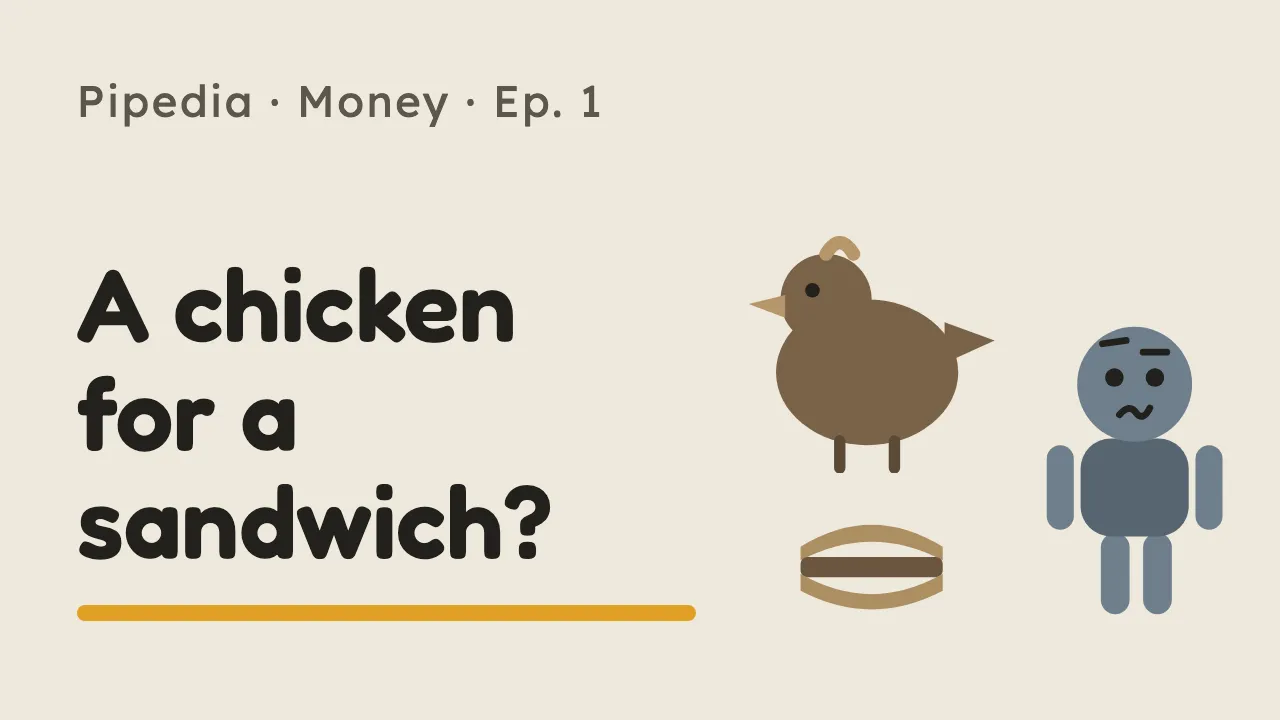
A YouTube channel that explains one big idea per episode for ages 7–11, starting with money and how a business works. An agent was given one sentence and an empty folder and built the whole thing: the scripts, the characters, the voices, the render pipeline, the thumbnails.
empty folder · pipedia — thumbnailLive — the build log
Empty Folder
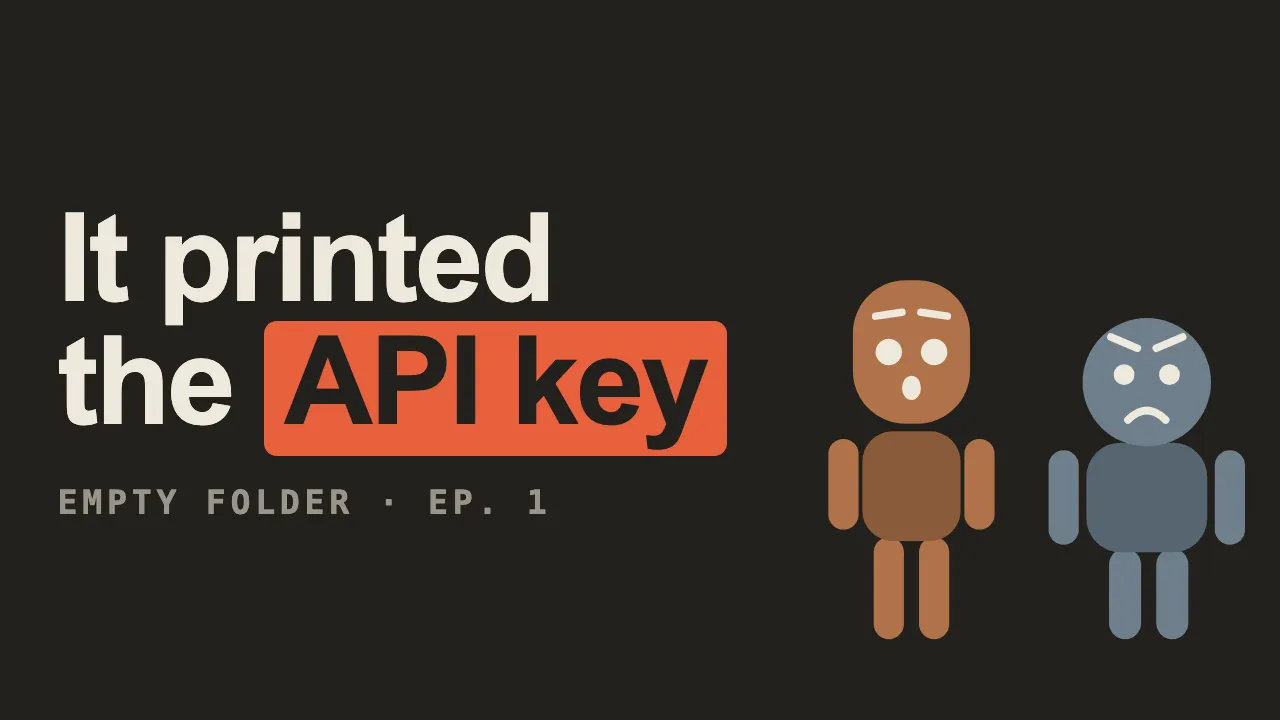
What these projects actually took. Every episode takes one thing built with an AI agent and says what happened, what broke, and what it cost to find out. No timelapse, no highlight reel.
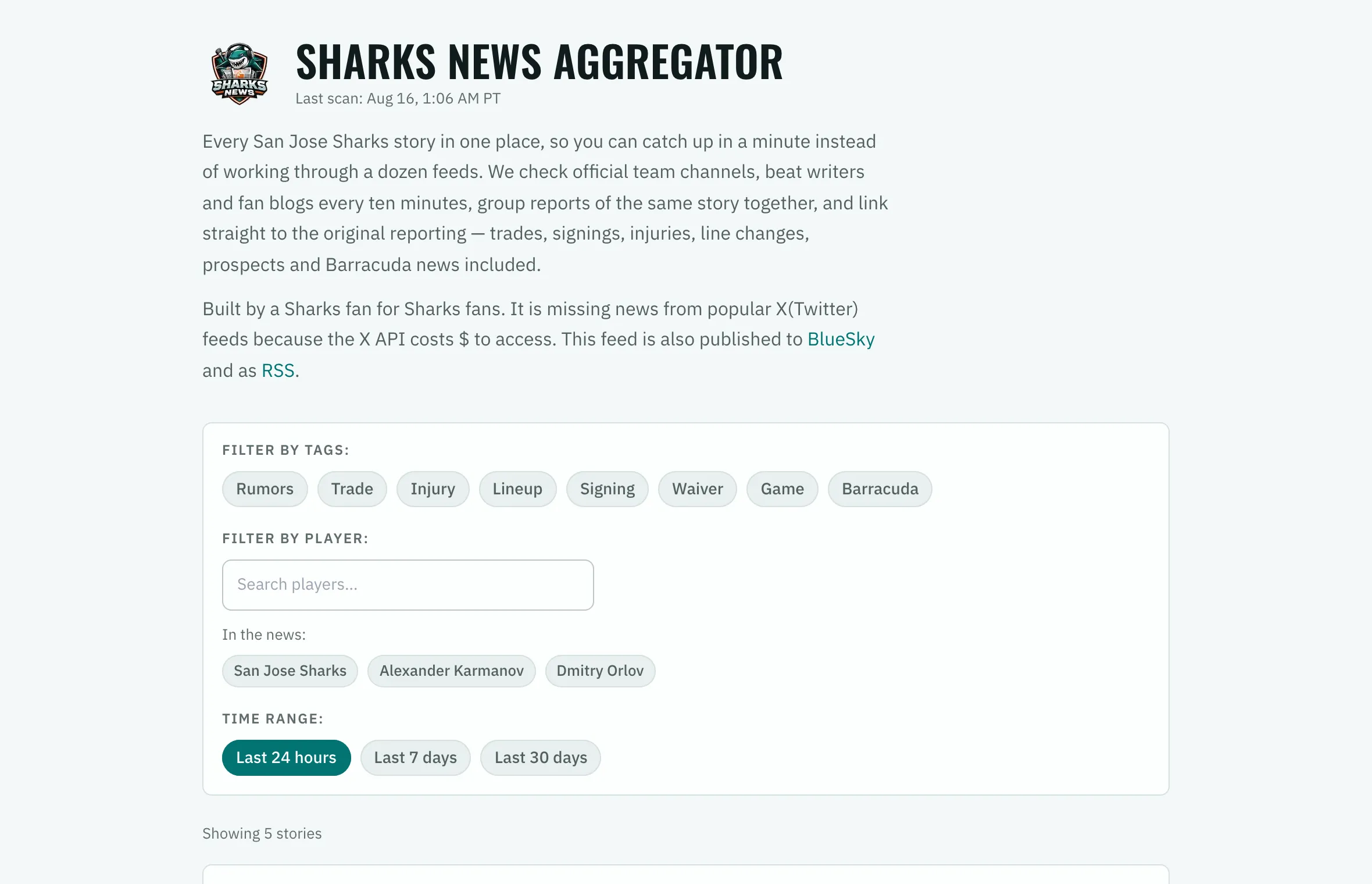
wplepla23gjn.nobgp.link — the live feedLive — web app
Sharks News Aggregator
A San Jose Sharks news feed that clusters stories instead of repeating them. It once published a rugby story, which took sixteen minutes to revert and became an episode.
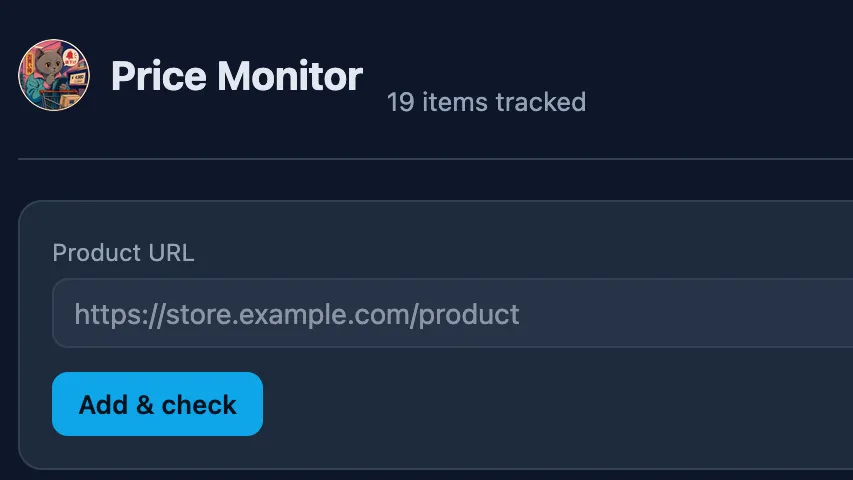
the dashboard — 19 items trackedLive — on a Raspberry Pi
PriceReduced
A personal price monitor: give it a product URL and it reads the price on a schedule, keeping the history until you delete the item. The argument is about where the language model sits — 19 URLs, and only one of them needs one.
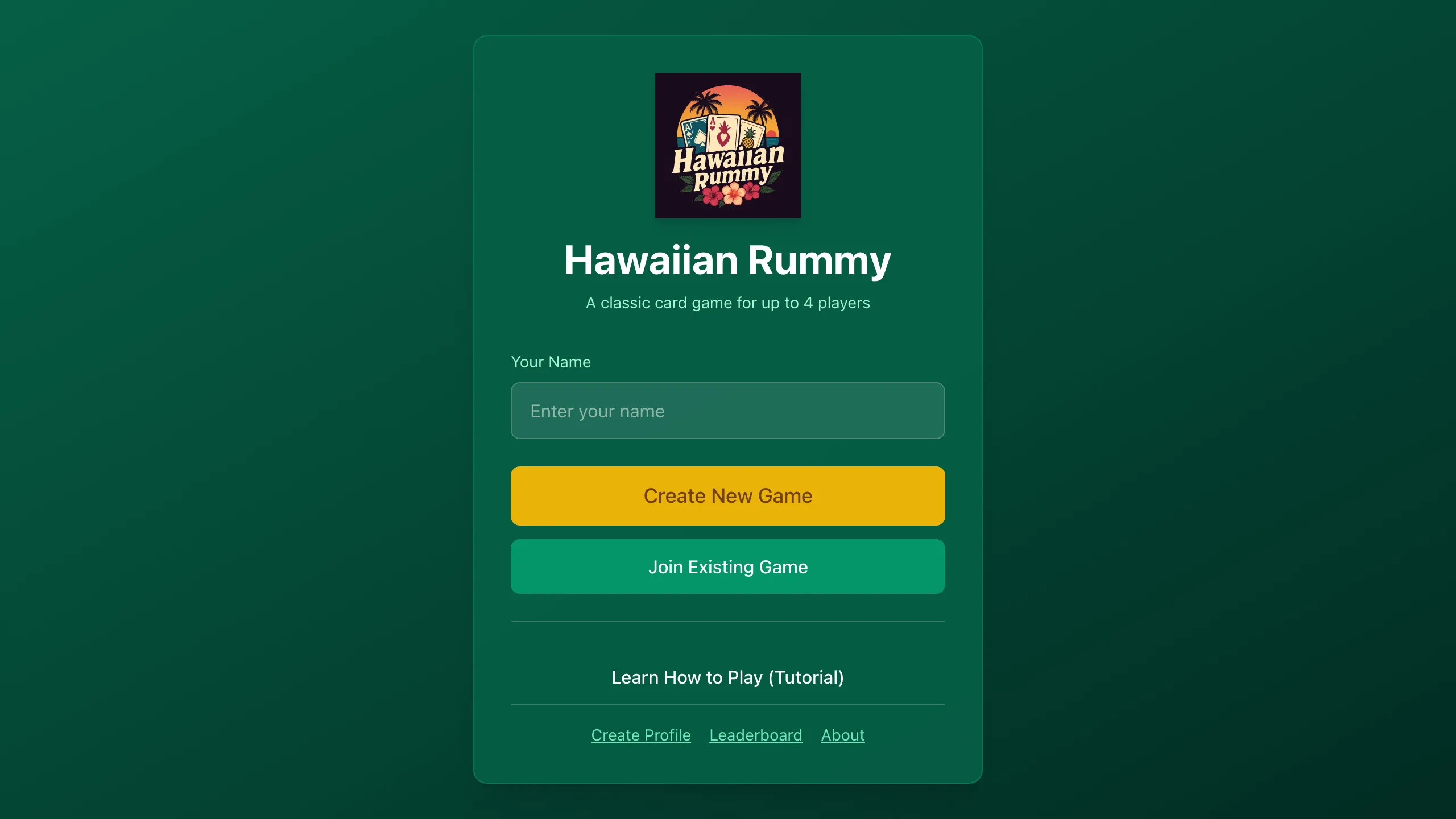
the opening screen — type a name and dealLive — play it now
Hawaiian Rummy
The card game, in a browser, for up to four players. No account, no install, no ads. Type a name and deal — the whole thing is a link you can send someone.
moraine lake — one of a hundred destinationsLive on the App Store
Bus Tourist Craze
Dispatch colour-matched buses across a hundred hand-verified levels, Vancouver to Ottawa, learning a Canadian destination on the way. Free, no ads, no tracking, and it works with no signal at all.
the running record, which is the whole ideaPublic — the practice itself
making-of
Not a project so much as the habit underneath all of them: keep a running record of what got decided, what got tested, and what turned out to be wrong. Two files and a rule you can copy.
Snapshot: . Configured cuts are not a count of published videos.
80Pipedia episode cuts configured across 4 series
13Empty Folder episode cuts configured, including an alternate vertical cut
88making-of sessions across five project records
107,980words in those records, including code and tables
See the counts and how they were checked
Counted from the local project files at this snapshot. One configuration file counts as one video cut; it does not prove a render is finished or a video is public. Trailers and test projects are excluded.
Business: 20 configured cuts.
Detectives: 20 configured cuts.
Money: 20 configured cuts.
Shopping: 20 configured cuts.
Empty Folder: 13 configured cuts across 6 episode folders.
The writing count uses dated Act and Session headings in five making-of records. Words are counted by whitespace, including code and tables. These are frozen counts, not a live counter.
Making-of records included in the snapshot
Project record
Sessions
Words
Pipedia
42
40,759
Bus Tourist Craze
16
34,119
This website
23
23,721
Talking Head
4
4,775
Hawaiian Rummy
3
4,606
The project files include private repositories; this breakdown publishes the totals, not those repositories. See the work on Pipedia, watch the Empty Folder build log, or read the making-of practice.
Start your own
If I can do this, so can you — and here is the boring reason why
Nothing here needed a studio, a team, or a skill I had before I
started. What it needed was a willingness to be wrong in writing,
repeatedly, and to fix the machine instead of the output.
Start with one project folder. The making-of README has two blocks to copy: the instruction for CLAUDE.md and the opening for MAKING-OF.md. Add your idea, then record the first decision and what you actually checked.
Three things that transferred. Each one cost something first.
Cost: a channel name
Checking whether a name was free meant asking for the page and treating “not found” as available. It looked rigorous. There were percentages. There was a methodology note. The recommended name was taken. A tool can rule a name out; it can never rule one in.
Ask what your check actually proves.
Cost: ninety-four missing pictures
A script reported that every level already had an illustration, and exited zero. Ninety-four were missing. The list had come back empty and it could not tell the difference between nothing wrong and nothing examined.
Absence of findings is not evidence of health.
Cost: it would have been a rebuild
Nobody asked an AI to make a video. The agent was asked to build the thing that makes videos, and that ran forty-one times. Episode ten took a fraction of the effort episode one did, because every fix from episode one was still in the machine.
Don’t prompt for output. Build the factory.
None of those are clever. They are the residue of getting them wrong
in public, which is the whole method and the only part worth copying.
The write-ups are long and they are the best part. Start with the
practice, not the tools —
making-of is two
files and a rule, and it is the thing I would keep if I had to throw
everything else away.
Disclosure
Disclosure, since it's the whole subject: both voices are synthetic (ElevenLabs), the characters are drawn in code rather than illustrated, and the composition is generated HTML rendered frame by frame. Nothing on screen is stock footage or a mock-up.
Nothing above is a mock-up either. Every screenshot is the live site
or the shipped file. Where a project has no screen to show, it gets a
drawn prop instead — and you can tell which is which.